
In the words of Susan Fraser, “A classroom that functions successfully as a third teacher will be responsive to children’s interests, provide opportunities for children to make their thinking visible, and foster further learning and engagement.” This insight has inspired us to redefine our identity as a childcare center. We don’t just focus on world-class, innovative building designs; we integrate our award-winning inventions and innovations seamlessly into the curriculum, recognizing the environment as the vital third teacher in a child’s learning journey.
In this introductory blog post, we will delve into the critical elements of a functional environment in our daycare facility.
Why Environment Matters
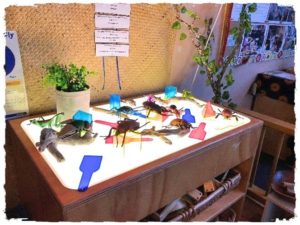
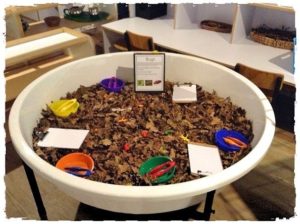
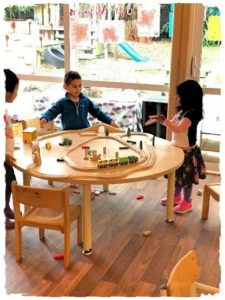
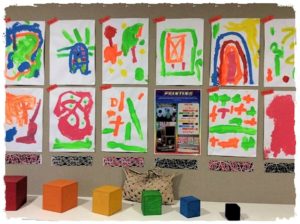
Upon entering our daycare, you’ll notice vibrant interactive toys, carefully designed table setups, captivating artwork, and displays of children’s learning outcomes on the walls. Ever wondered why these setups are so pivotal to your child’s learning and development? Allow us to peel back the curtain and reveal why our teachers dedicate themselves to crafting these environments daily.
1. Inviting Spaces for Smooth Transitions
Our early morning setups are based on the bonds we build with you and your child. We keenly observe and understand each child’s unique interests, ensuring a seamless transition from home to daycare. If a child is anxious about parting from their parents, we provide tailored activities to ease this initial stage, setting the tone for a harmonious day ahead.
2. Fostering Connectedness
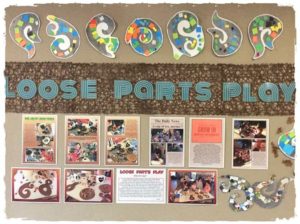
The walls adorned with pictures of children in action, artistic creations, and daily activity plans serve to amplify children’s voices and highlight the learning that unfolds within these walls. We aim for parents to catch a glimpse of those special moments when their child is under our care.
3. Enriched Experiences for Meaningful Learning
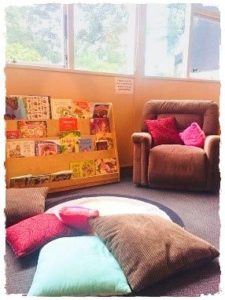
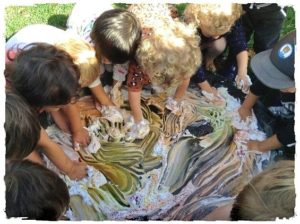
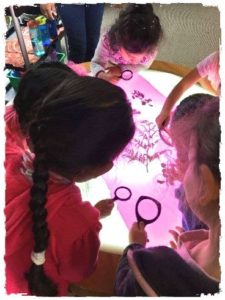
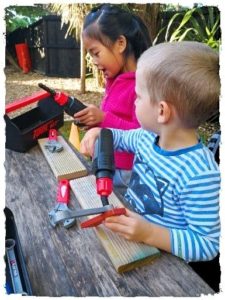
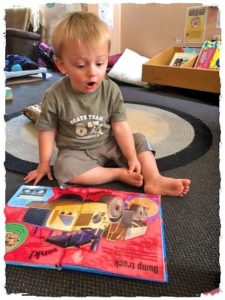
When we arrange activities, we strategically plan which areas require mere observation and where active interaction is key to extending a child’s learning. Our environment encourages inquiry, investigation, and wonder. We also recognize the value of quiet spaces for reading and contemplation.
4. Cultivating Social Skills and Independent Play
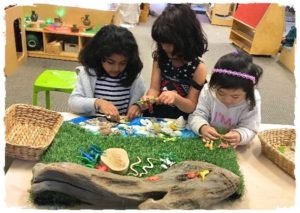
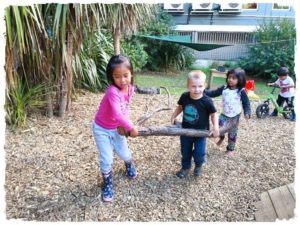
Flexibility is central to our environment’s design. Children can choose to play independently or invite friends to join them. We provide abundant materials and resources to encourage collaboration, teamwork, and the forging of friendships. Our commitment to ample resources ensures that a lack of materials never limits a child’s imagination.
5. Extending Skills and Knowledge
Our teachers constantly observe, recognize, and respond to children’s interests. We design activities that challenge and facilitate continuous learning, from basic skills like holding a pencil to more complex tasks like baking cookies.
6. Effective Supervision and Engagement
Our teachers maintain a vigilant watch for safety while simultaneously orchestrating an engaging environment. We carefully plan activities, considering areas for independent play and those that might pose challenges. We offer a diverse range of activities spanning science, literacy, building, and arts, allowing children to satisfy their curiosity and desire to learn.
At the heart of our mission is the satisfaction of knowing we make a meaningful impact on each child’s life. Every day presents a fresh opportunity to build upon their interests and facilitate their growth.